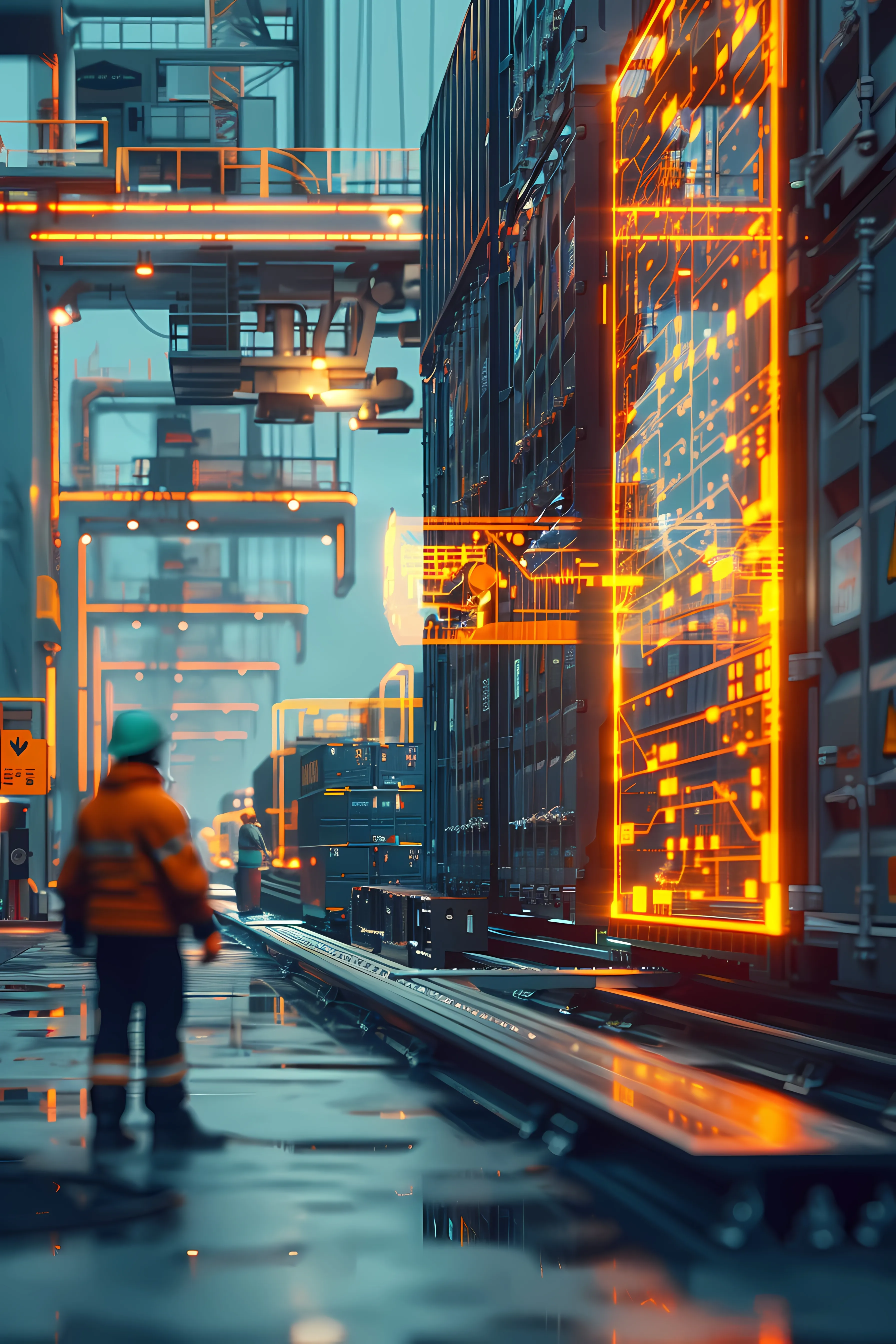
Industrial Automation

By azaghly , 6 March 2026
Listing Image
Article Body
Title

The Era of Control and Determinism

Description

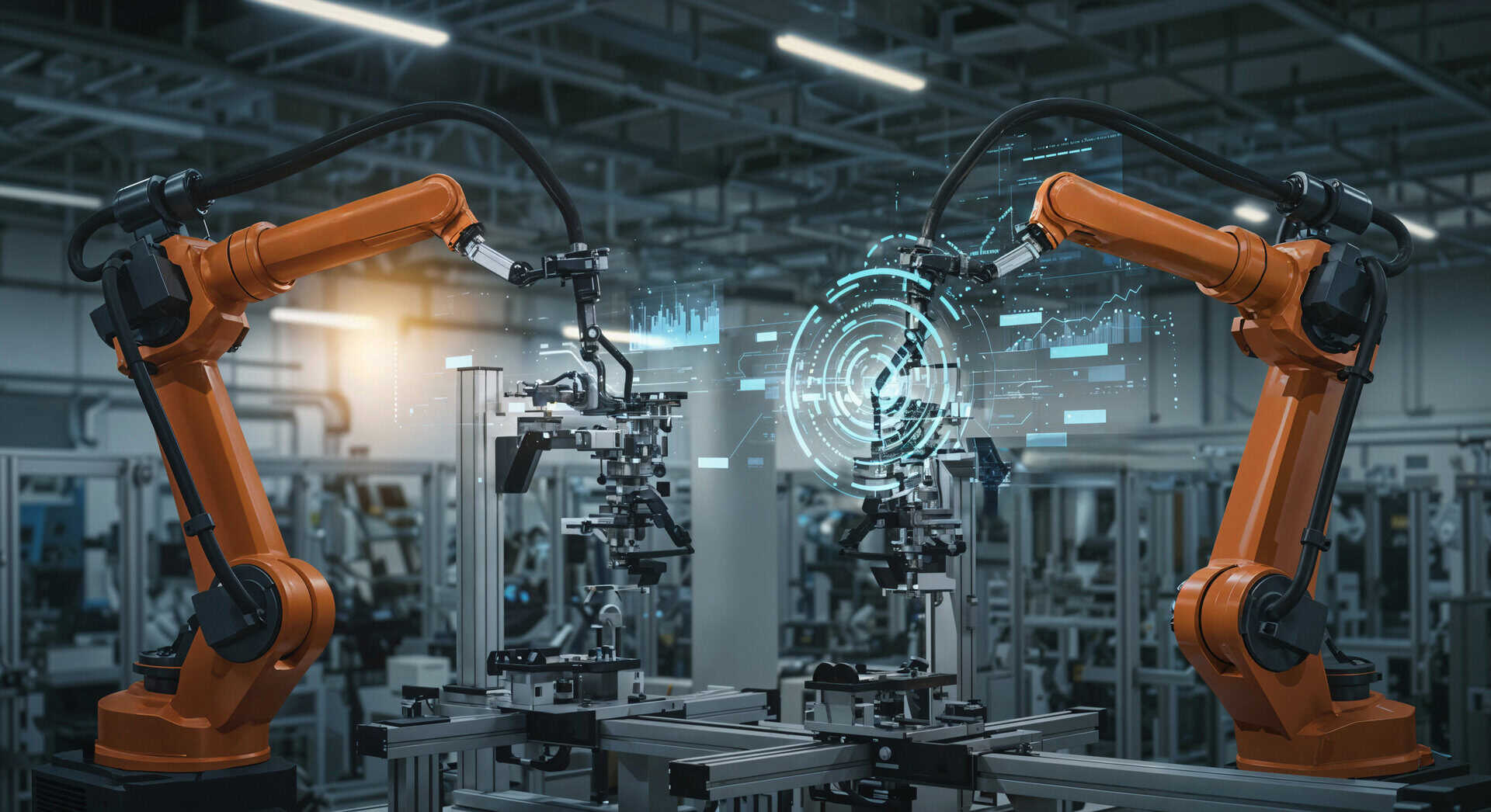
Early industrial automation systems were driven by a clear and pragmatic objective: replace manual operations with reliable, repeatable control. Programmable Logic Controllers (PLCs), Distributed Control Systems (DCS), and basic SCADA platforms formed the foundation of modern industrial control systems, designed to execute predefined logic with high precision and determinism.


In industries such as mining, energy, chemicals, and manufacturing, stability and safety were non-negotiable. Automation systems operated in isolated environments, focused on real-time control rather than data exploitation. Intelligence resided primarily in human expertise, while machines were expected to execute commands accurately and consistently.


At this stage, process automation was centered on execution and reliability rather than optimization or intelligence.

Image
From Control to Intelligence
Title

Process automation

Items
Description

As industrial processes became more complex, industrial automation and control systems expanded beyond individual machines. System integration emerged as a critical capability, enabling coordination across production lines, plants, and utility systems. SCADA and DCS platforms evolved to provide centralized supervision, alarm management, and historical data collection across integrated industrial automation systems.

At this stage, automation systems began to generate large volumes of operational data. However, this data was primarily used for monitoring and troubleshooting rather than strategic analysis. Control remained the core function, but the foundations for data-driven operations and future industrial intelligence were quietly being laid.

Title
Integration and System-Level Automation
Layout
Full Width
Description

The digital transformation of industry marked a decisive shift in the role of automation. Advances in connectivity, Industrial Ethernet, standardized protocols, and computing power enabled industrial automation systems to interact with enterprise IT platforms, cloud infrastructures, and analytical tools.

Automation moved from executing logic to interpreting context. Technologies such as advanced analytics, machine learning, and digital twins now allow systems to detect patterns, anticipate failures, and optimize performance in real time. This shift represents the emergence of intelligent automation embedded directly within operational environments.

Intelligence is no longer external to the automation layer; it is increasingly integrated within smart industrial systems, supporting predictive capabilities and continuous improvement aligned with Industry 4.0 principles.

Title
Digitalization and the Rise of Industrial Intelligence
Layout
Full Width
Description

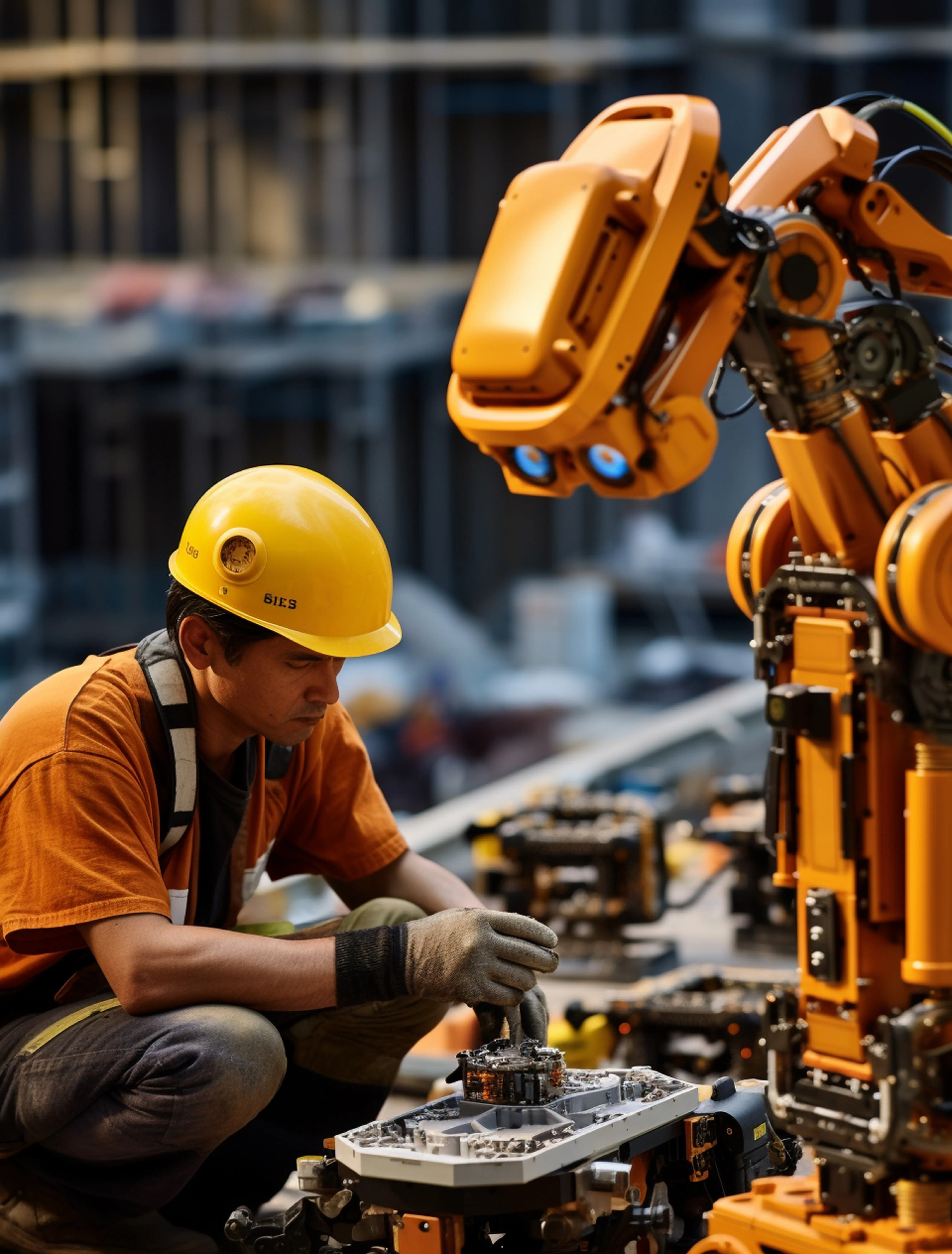
Despite growing autonomy, intelligent automation does not eliminate the human role. On the contrary, it reshapes it. Modern industrial automation systems support operators, engineers, and managers by transforming complex data into actionable insights. Decision-making becomes faster, more informed, and less reactive.

This collaboration between human expertise and machine-driven industrial intelligence is a defining characteristic of next-generation smart industrial systems and advanced industrial automation and control systems.

Title
Human–Machine Collaboration
Layout
Full Width
Pillars Wysiwyg

The transition from deterministic industrial control systems to intelligent automation platforms reflects a broader industrial evolution—one where data, connectivity, and insight are as critical as mechanical precision.

In this new paradigm, industrial automation systems are not just tools for execution, but the foundation for industrial intelligence, advanced process automation, and long-term competitiveness in the era of Industry 4.0.

Text

Industrial automation is no longer solely about control. It has become a strategic enabler of intelligence, resilience, and sustainable performance within the broader context of digital transformation in industry.

Overline
Conclusion
Read Time
9 min
Formatted Title

The Evolution of Industrial Automation 

Text

INTRODUCTION 
 

Industrial automation have undergone a profound transformation over the past decades. What began as a quest for reliable control and repeatable processes has evolved into a broader pursuit of intelligent, adaptive, and data-driven systems. This evolution reflects not only technological progress but also changing industrial priorities from stability and efficiency to flexibility, resilience, and digital transformation in industry

This article explores the key stages of industrial automation systems and highlights how control systems are becoming intelligent platforms that actively support decision-making and operational excellence within the framework of Industry 4.0.

Contributors Section Title
Contributor
By azaghly , 6 March 2026
Listing Image
Evolution of Distributed Control Systems (DCS)
Article Body
Title

DCS as the Backbone of Process Industries

Description

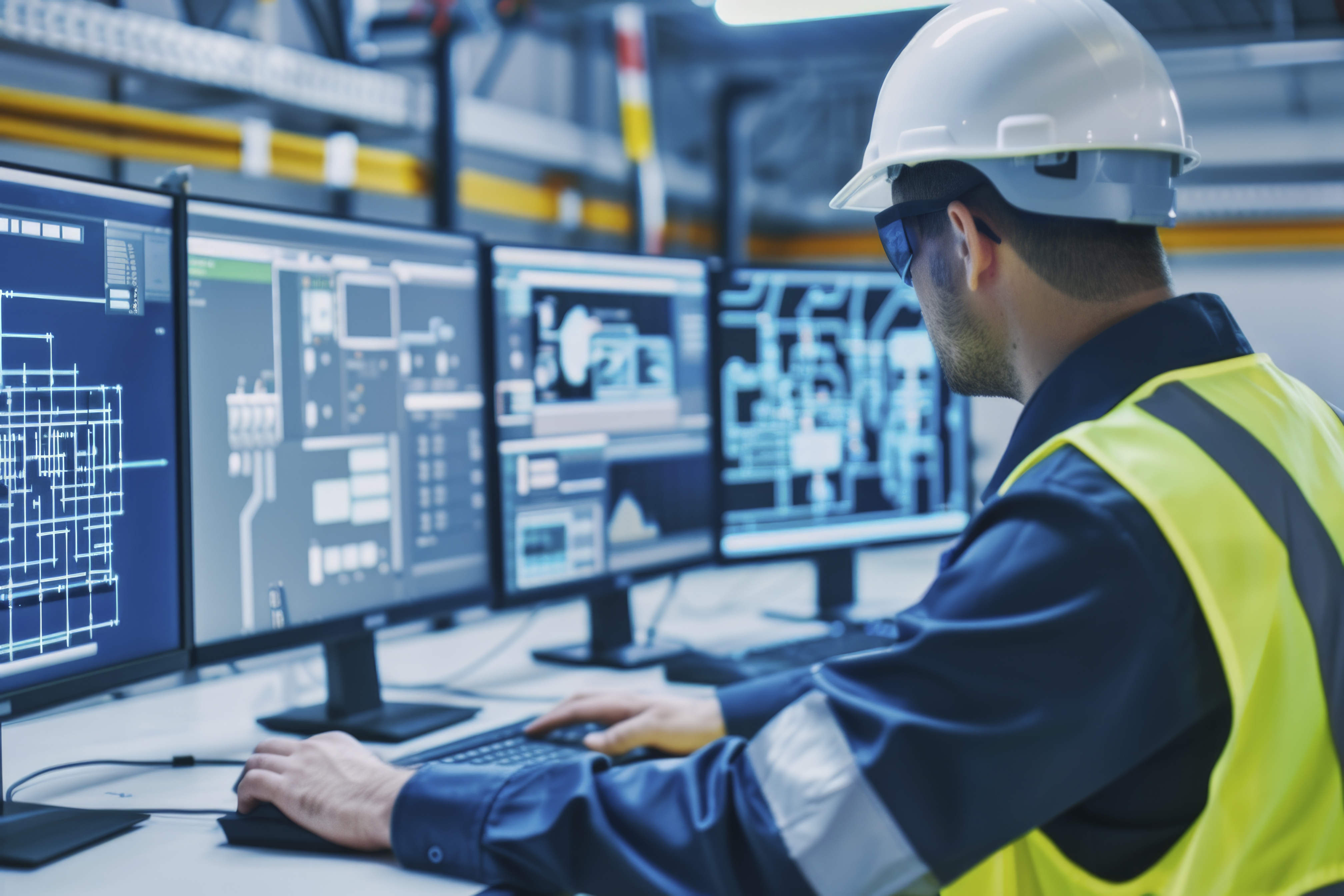
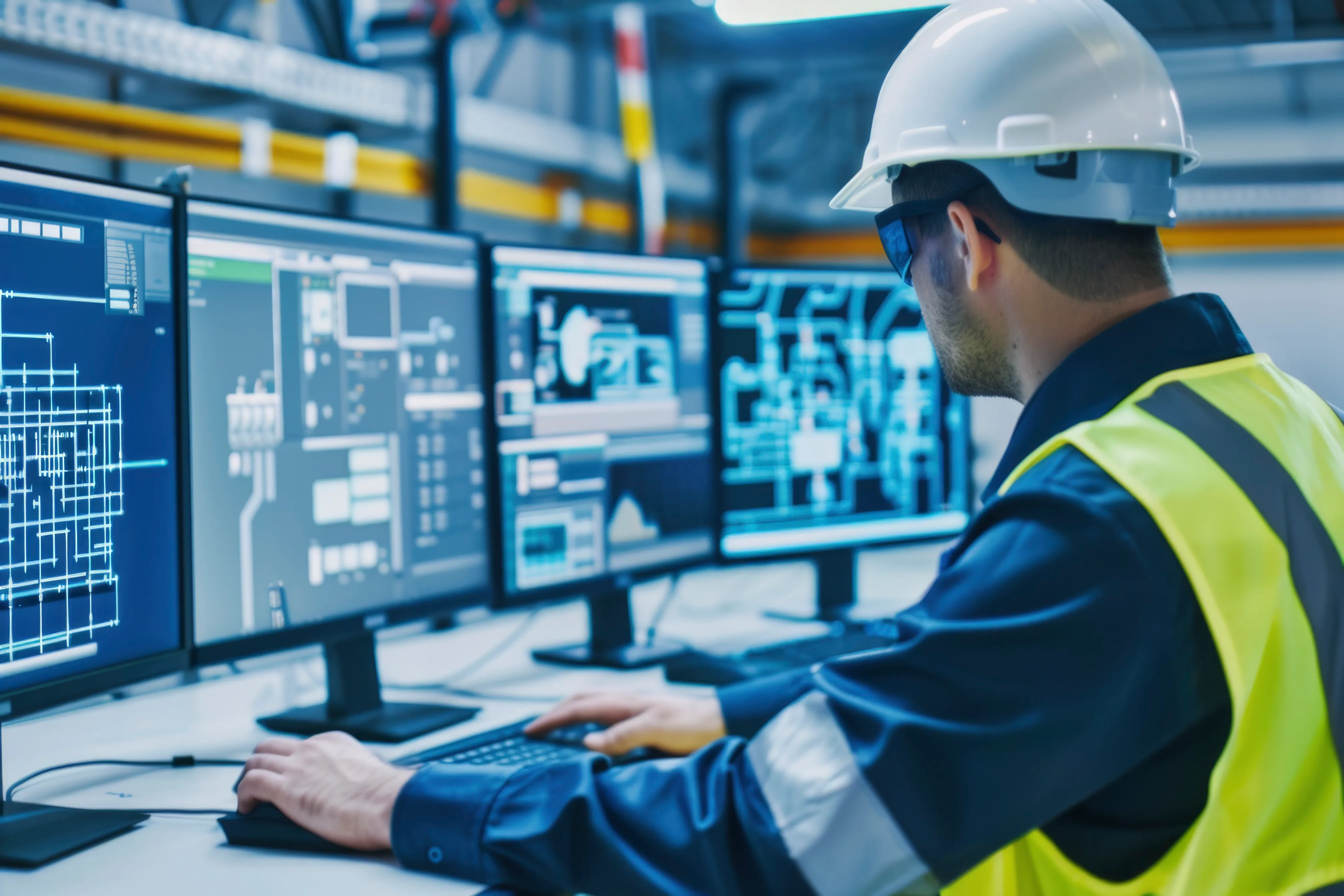
For decades, Distributed Control Systems (DCS) have formed the operational backbone of continuous and batch processes within large-scale industrial automation and control systems . In oil refineries, power plants, mining operations, and water treatment facilities, DCS were designed to ensure deterministic control, high availability, and strict safety compliance.

Architecture emphasized redundancy, vendor-integrated components, and closed communication networks to minimize operational risk. In these environments, stability was prioritized over flexibility, reinforcing the role of DCS as mission-critical industrial control systems .

Data was primarily used for real-time control, alarms, and basic historical analysis, while higher-level optimization relied heavily on operator experience and engineering judgment. At this stage, process automation remained control-focused rather than intelligence-driven .

Image
Evolution of Distributed Control Systems (DCS)
Title

Process automation

Items
Description

Today, process industries face new pressures including fluctuating energy markets, stricter environmental regulations, aging assets, and growing demands for efficiency and transparency. These challenges expose the limitations of traditional, isolated DCS architectures within modern industrial automation systems.

To respond, industrial operators increasingly require end-to-end process visibility, real-time performance monitoring across multiple sites, predictive maintenance and asset health insights, and seamless integration with planning, maintenance, and energy management systems.

These evolving requirements have accelerated the convergence between DCS, IT systems, and digital platforms, reinforcing the role of DCS in broader digital transformation in industry strategies.

Title
Drivers of Change in Process Industries
Layout
Full Width
Layout
Full Width
Description

Modern Distributed Control Systems (DCS) architectures are evolving beyond pure control systems into foundational components of smart industrial systems. The adoption of Industrial Ethernet, open communication standards, virtualization, and OPC UA enables secure data exchange between control layers, edge systems, and enterprise applications.

In mining, oil & gas, and power generation, high-resolution process data generated by DCS feeds advanced analytics platforms for efficiency optimization, emissions reduction, and energy performance management. In water and utilities, data-driven DCS architectures support intelligent process automation, enabling leakage detection, energy optimization, and improved service reliability.

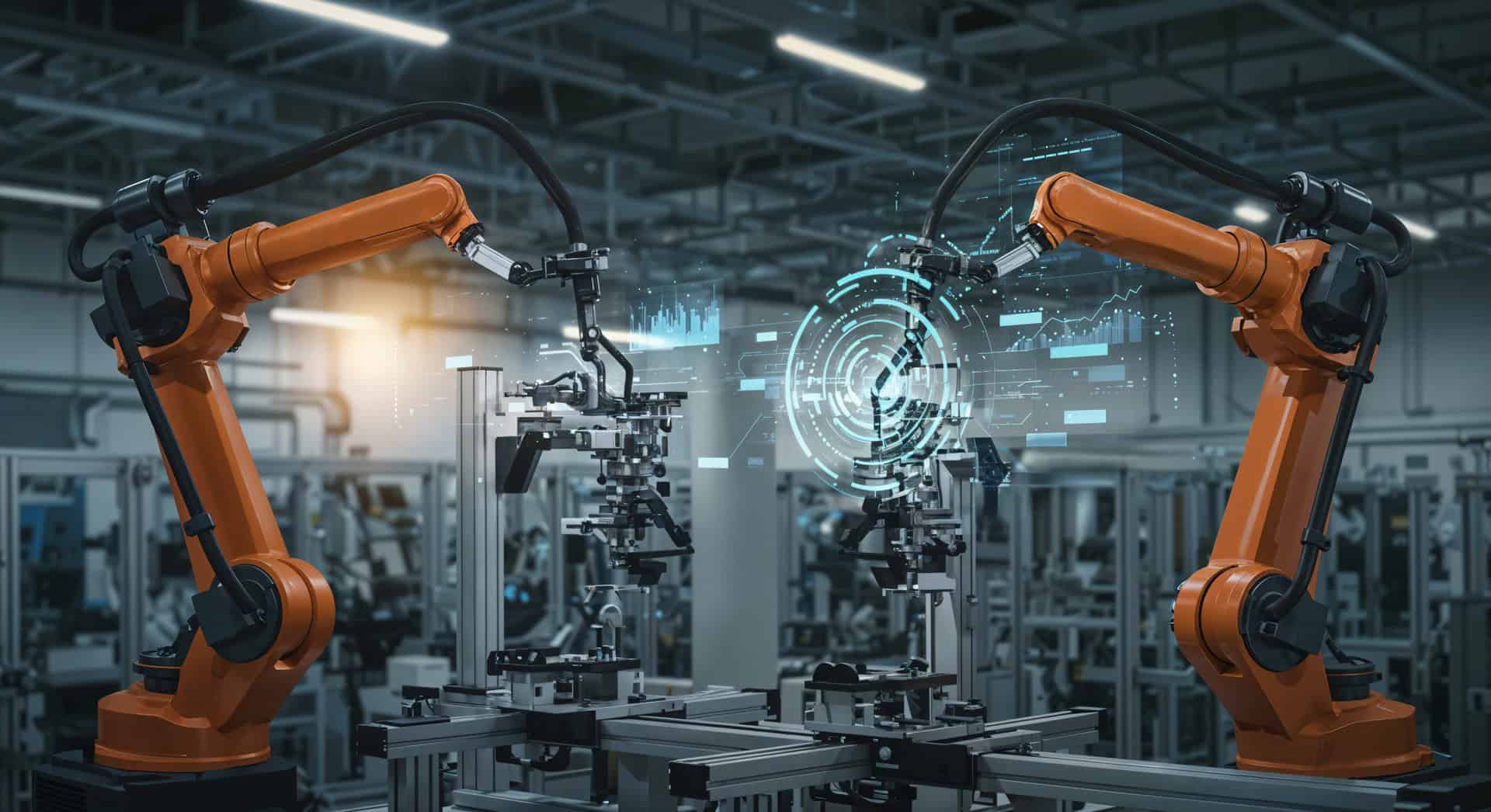
The DCS now acts as a trusted operational data source, bridging real-time industrial automation systems with analytics engines, digital twins, and decision-support platforms. This transformation reflects the emergence of industrial intelligence embedded within industrial automation and control systems.
Title
Interconnected and Data-Driven DCS Architectures
Layout
Full Width
Description

Increased connectivity introduces new risks, particularly in critical infrastructure environments. As a result, cybersecurity and resilience have become core design principles for modern industrial control systems and Distributed Control Systems (DCS). 

Network segmentation, secure remote access, role-based authorization, and continuous monitoring are essential to protecting operations while enabling digital integration. For process industries, maintaining safe and resilient operations remains non-negotiable, even as DCS evolve toward more open, interconnected, and Industry 4.0-ready architectures.

Title
Cybersecurity and Operational Resilience
Pillars Wysiwyg

For oil & gas, power generation, mining, and water sectors, this transformation positions the DCS not merely as an industrial control system, but as a cornerstone of digital transformation in industry, sustainable performance, and long-term industrial intelligence.

Selected Bibliography

IEC 62264 – Enterprise-Control System Integration
ISA-95 – Integration of Enterprise and Control Systems
OPC Foundation – OPC UA Specifications and Industrial Use Cases
Gartner – The Role of DCS in Industrial Digitalization

Text

The evolution of Distributed Control Systems (DCS) reflects a broader shift in process industries from isolated control toward interconnected intelligence. Modern DCS are no longer limited to executing control logic; they serve as strategic components of advanced industrial automation systems, enabling insight, optimization, and enterprise-wide decision-making.

Overline
Conclusion
Read Time
8 min
Formatted Title

Toward Interconnected and Data-Driven Architectures

Text

INTRODUCTION 
 

In process industries such as oil & gas, power generation, mining, and water utilities, Distributed Control Systems (DCS), as core industrial control systems within industrial automation systems, have long been synonymous with safety, stability, and continuous operation. However, increasing operational complexity, energy constraints, and digital transformation in industry initiatives are reshaping the role of DCS. Once isolated and control-centric, modern DCS are evolving into interconnected, data-driven architectures aligned with Industry 4.0, supporting advanced analytics, operational optimization, and enterprise-wide decision-making. 

This article explores this evolution and its implications for process industries operating within increasingly digital and intelligent industrial environments.

Contributors Section Title
Contributor
Inroduction Section Title
INTRODUCTIONÂ