Industry 4.0

By azaghly , 6 March 2026
Listing Image
Industrial Communication Protocols
Article Body
Title

From Deterministic Control to Networked Automation

Description

In industrial environments, communication has never been a secondary concern. It directly affects operational safety, production continuity, and product quality within complex industrial automation systems. Early industrial protocols such as Modbus RTU, PROFIBUS DP, CAN, ControlNet, and DeviceNet were developed for closed, isolated systems where robustness and determinism were paramount. Data volumes were limited, but timing was critical; messages had to arrive predictably and without ambiguity to ensure safe process automation.


This strict requirement for determinism explains why industrial automation networks remained separated from traditional IT systems for decades. Reliability was not just a technical feature; it was an operational necessity supporting mission-critical industrial control systems

Image
Industrial Communication Protocols
Description

The adoption of Industrial Ethernet marked a fundamental shift in industrial communication architecture and the evolution of industrial automation and control systems. Protocols such as PROFINET, EtherNet/IP, EtherCAT, and POWERLINK combined real-time performance with standardized Ethernet technologies aligned with broader digital transformation in industry initiatives.

This convergence enabled scalable network designs, seamless integration with SCADA, DCS, OMS, and APC systems, and improved diagnostics and maintainability within large-scale industrial automation systems. As a result, industrial networks transitioned from simple control buses to complex, data-rich infrastructures capable of supporting intelligent automation strategies.

Title
The Rise of Industrial Ethernet and IT/OT Convergence
Title

Communication evolved from a control-only function into a structured and strategic source of operational data contributing to emerging industrial intelligence.

Items
Description

Modern industrial environments demand more than fast and reliable data exchange. They require contextualized, interoperable, and secure information flows capable of powering smart industrial systems. Protocols such as OPC UA address these needs by introducing object-oriented data models, platform independence, and built-in cybersecurity mechanisms designed for next-generation industrial automation systems.

By transforming raw signals into meaningful information, industrial communication protocols now support advanced analytics, predictive maintenance, energy optimization, and digital twins. In this context, communication networks are no longer passive carriers; they actively enable industrial intelligence embedded within industrial automation and control systems.

This transition marks a shift from basic connectivity toward communication architectures aligned with Industry 4.0 principles.

Title
From Data Transport to Information Intelligence
Layout
Full Width
Layout
Full Width
Description

With increased connectivity comes increased exposure to cyber threats. Today’s industrial communication protocols must incorporate authentication, encryption, access control, and continuous monitoring to protect interconnected industrial control systems.

Cybersecurity is no longer an add-on but a fundamental design requirement within modern industrial automation systems. A modern industrial protocol is evaluated not only by its performance and reliability, but also by its ability to protect critical assets and ensure long-term operational resilience in the era of digital transformation in industry.

Title
Cybersecurity as a Core Design Principle
Layout
Full Width
Layout
Full Width
Pillars Wysiwyg

These protocols now serve as the digital backbone of smart industrial systems, enabling data-driven operations, enhanced process automation, and sustainable industrial performance. They are fundamental components of advanced industrial automation systems supporting industrial intelligence and intelligent automation strategies.

Choosing the right communication protocol has become a strategic decision, shaping an organization’s ability to innovate, secure its operations, and compete in an increasingly digital landscape defined by Industry 4.0.

Text

The evolution of industrial communication protocols mirrors the broader transformation of the industrial world from isolated, deterministic control systems to interconnected, intelligent ecosystems powered by industrial automation and control systems.

Overline
Conclusion
Read Time
7 min
Formatted Title

From Reliability to Digital Intelligence

Text

INTRODUCTION 
 

Industrial communication protocols have long been designed with a single dominant objective: ensuring reliable, deterministic data exchange between industrial assets within industrial automation and control systems

Today, driven by Industry 4.0 and digital transformation in industry, these protocols are evolving into strategic enablers of data intelligence, interoperability, and secure connectivity across industrial automation systems.

This article examines how industrial communication protocols have progressed from basic reliability mechanisms to key foundations of digitally intelligent industrial control systems and smart industrial systems.

Contributors Section Title
Contributor
Inroduction Section Title
INTRODUCTION 
By azaghly , 6 March 2026
Listing Image
Article Body
Title

The Era of Control and Determinism

Description

Early industrial automation systems were driven by a clear and pragmatic objective: replace manual operations with reliable, repeatable control. Programmable Logic Controllers (PLCs), Distributed Control Systems (DCS), and basic SCADA platforms formed the foundation of modern industrial control systems, designed to execute predefined logic with high precision and determinism.


In industries such as mining, energy, chemicals, and manufacturing, stability and safety were non-negotiable. Automation systems operated in isolated environments, focused on real-time control rather than data exploitation. Intelligence resided primarily in human expertise, while machines were expected to execute commands accurately and consistently.


At this stage, process automation was centered on execution and reliability rather than optimization or intelligence.

Image
From Control to Intelligence
Title

Process automation

Items
Description

As industrial processes became more complex, industrial automation and control systems expanded beyond individual machines. System integration emerged as a critical capability, enabling coordination across production lines, plants, and utility systems. SCADA and DCS platforms evolved to provide centralized supervision, alarm management, and historical data collection across integrated industrial automation systems.

At this stage, automation systems began to generate large volumes of operational data. However, this data was primarily used for monitoring and troubleshooting rather than strategic analysis. Control remained the core function, but the foundations for data-driven operations and future industrial intelligence were quietly being laid.

Title
Integration and System-Level Automation
Layout
Full Width
Description

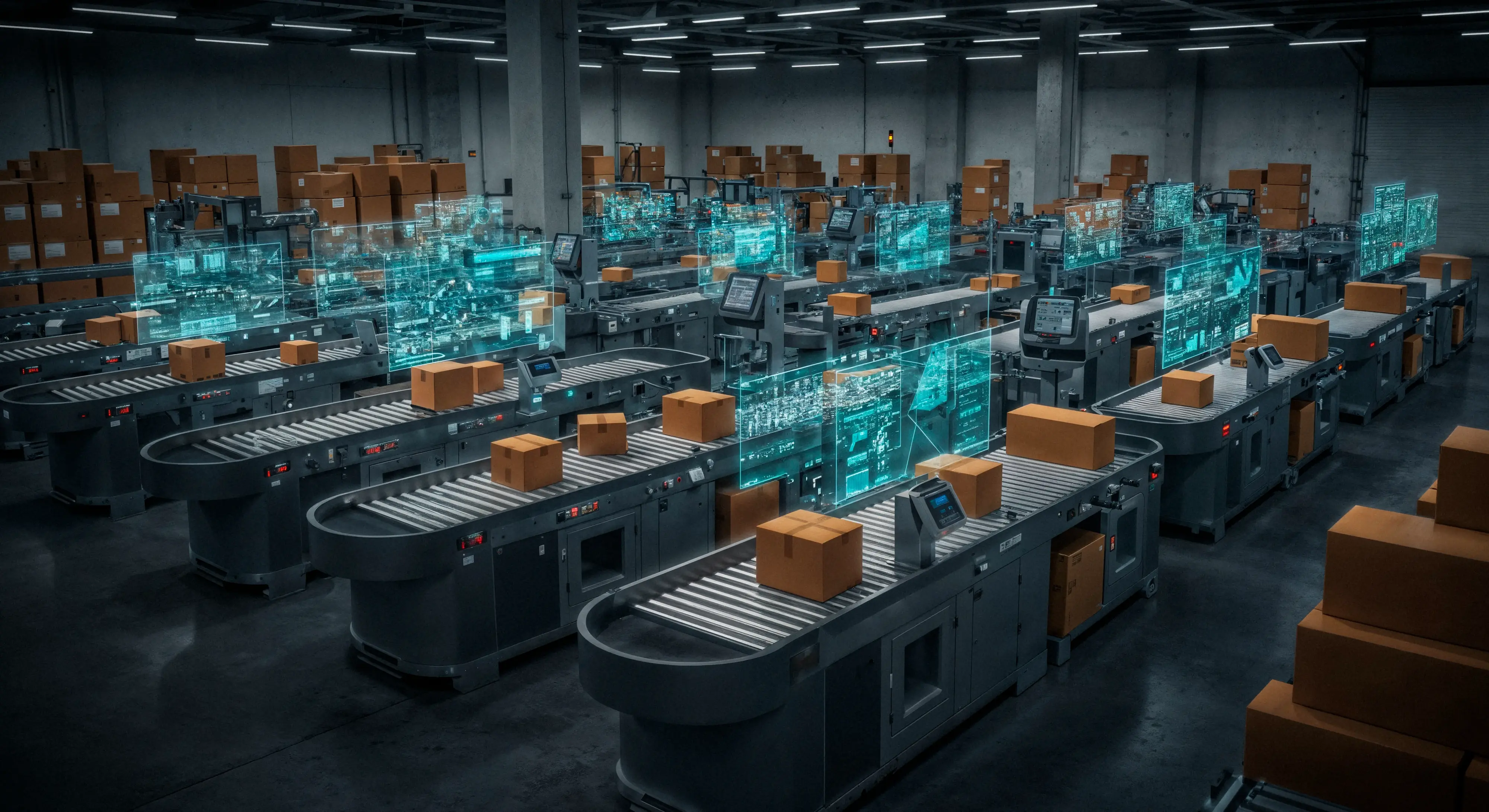
The digital transformation of industry marked a decisive shift in the role of automation. Advances in connectivity, Industrial Ethernet, standardized protocols, and computing power enabled industrial automation systems to interact with enterprise IT platforms, cloud infrastructures, and analytical tools.

Automation moved from executing logic to interpreting context. Technologies such as advanced analytics, machine learning, and digital twins now allow systems to detect patterns, anticipate failures, and optimize performance in real time. This shift represents the emergence of intelligent automation embedded directly within operational environments.

Intelligence is no longer external to the automation layer; it is increasingly integrated within smart industrial systems, supporting predictive capabilities and continuous improvement aligned with Industry 4.0 principles.
Title
Digitalization and the Rise of Industrial Intelligence
Layout
Full Width
Description

Despite growing autonomy, intelligent automation does not eliminate the human role. On the contrary, it reshapes it. Modern industrial automation systems support operators, engineers, and managers by transforming complex data into actionable insights. Decision-making becomes faster, more informed, and less reactive.

This collaboration between human expertise and machine-driven industrial intelligence is a defining characteristic of next-generation smart industrial systems and advanced industrial automation and control systems.

Title
Human–Machine Collaboration
Layout
Full Width
Pillars Wysiwyg

The transition from deterministic industrial control systems to intelligent automation platforms reflects a broader industrial evolution—one where data, connectivity, and insight are as critical as mechanical precision.

In this new paradigm, industrial automation systems are not just tools for execution, but the foundation for industrial intelligence, advanced process automation, and long-term competitiveness in the era of Industry 4.0.

Text

Industrial automation is no longer solely about control. It has become a strategic enabler of intelligence, resilience, and sustainable performance within the broader context of digital transformation in industry.

Overline
Conclusion
Read Time
9 min
Formatted Title

The Evolution of Industrial Automation 

Text

INTRODUCTION 
 

Industrial automation have undergone a profound transformation over the past decades. What began as a quest for reliable control and repeatable processes has evolved into a broader pursuit of intelligent, adaptive, and data-driven systems. This evolution reflects not only technological progress but also changing industrial priorities from stability and efficiency to flexibility, resilience, and digital transformation in industry

This article explores the key stages of industrial automation systems and highlights how control systems are becoming intelligent platforms that actively support decision-making and operational excellence within the framework of Industry 4.0.

Contributors Section Title
Contributor