Description
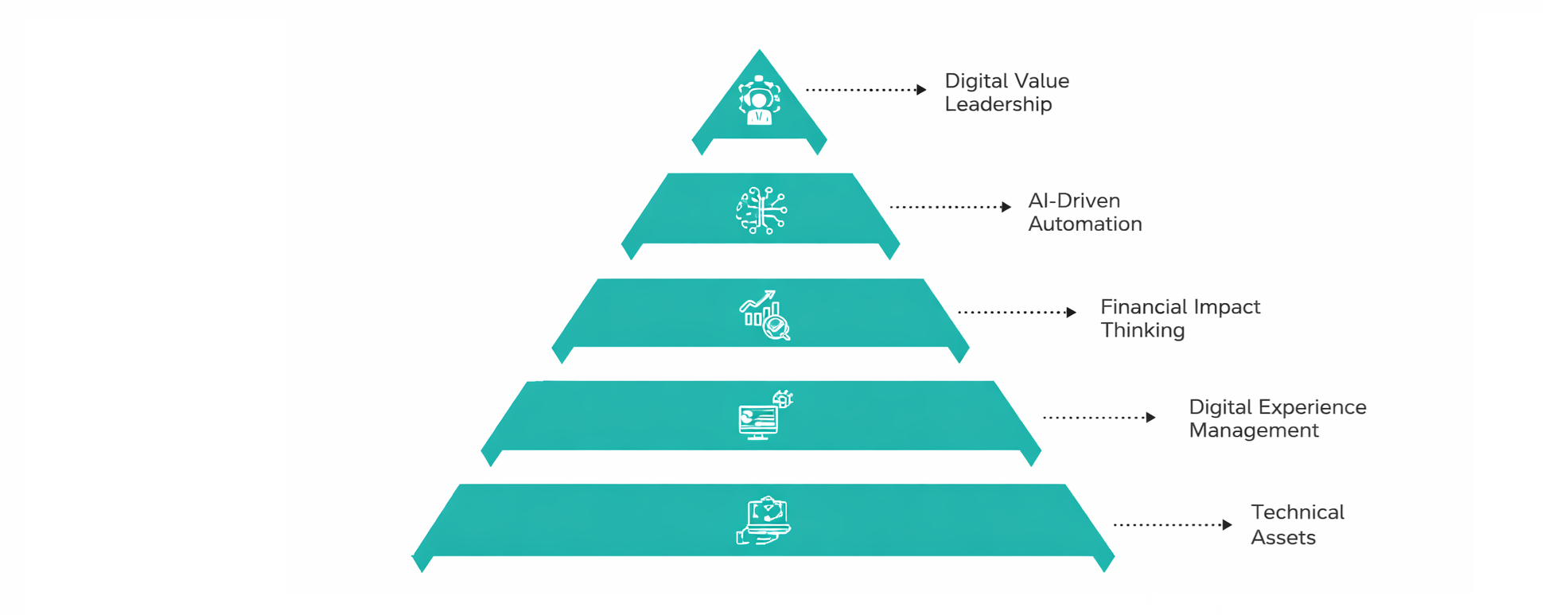
In 2026, IT RUN is no longer evaluated only on technical stability — it is accountable for measurable financial exposure. The organization must quantify, report, and actively manage the economic impact of technology disruptions, and also closely demonstrate the contribution of its digital platforms to the company’s financial results.
● Calculating the cost of outage per minute: Calculate the revenue per minute for each critical digital channel, average transaction value and volume per minute, Measure production loss in manufacturing environments (units/hour), Estimate SLA penalties owed to clients due to downtime, Include reputational impact indicators (customer churn %, lost conversions).
● Linking incidents to financial KPIs: Classify incidents by business domain (Sales, Supply Chain, Finance), Associate incident severity with estimated financial impact, Track cash flow delays caused by ERP or billing interruptions, Measure the cost of emergency changes (involving overtimes for production teams and unplanned costs) vs planned changes.
● Thinking of IT RUN as a Contributor to company’s revenue Protection: Quantify avoided losses through proactive incident prevention, quantify the optimized infrastructure cost through performance tuning and move-to-cloud strategies, calculate vendor penalty exposure via strong licensing governance using the appropriate tools.
● Adopting a Technology Business Management (TBM) Mindset: Translate technical services to business services (For example: No longer considering a “Payment API”, but rather “Order-to-Cash Service”), Measure the Total Cost Of Ownership (TCO) per application/service, Align and invoice application/services costs to the business units consuming them.